The art of the 21st century reflects an era of rapid change and cultural blending. Contemporary artists rely on technological innovations to push the boundaries of creativity, exploring mediums such as digital art, virtual reality, and interactive art. This period is also marked by critical reflection on global themes, including identity, the environment, and politics. The impact of these new artistic forms and discourses expands the definition of art while influencing popular culture and social dialogue. The movements of this century redefine the artistic experience, inviting immersion in a constantly reinventing field.
Exploration of 21st Century Artistic Movements and Their Cultural Significance
Discover the artistic currents of the 21st century, it is to navigate an ocean of creativity where legacies and advancements intertwine. The Musée des Abattoirs is a striking example, weaving connections between art history and contemporary art through exhibitions that highlight the work of artists such as Antoni Tàpies. This institution, fundamentally rooted in the cultural landscape of Toulouse, collaborates with the Fundació Antoni Tàpies to enrich its artistic offerings, thus emphasizing the fluidity of boundaries in contemporary art. These collaborations illustrate the European cultural convergence, where Paris and its artistic scene are no longer the only epicenters of art.
The cultural impact of 21st century visual arts resonates beyond French borders. Exhibitions organized by entities such as the Musée Soulages in Rodez and the Musée Toulouse-Lautrec in Albi echo a desire for democratization and accessibility of art. These museums, through their initiatives, contribute to a deeper reflection on the educational and inclusive role of cultural institutions. The implementation of educational projects, such as that of the Musée Soulages, or efforts for accessibility at the Musée Toulouse-Lautrec, are testaments to this dynamic.
The cultural significance of these movements cannot be grasped without understanding the interactions between the various entities that shape the artistic landscape. The works of Antoni Tàpies, for instance, find new resonance within the Musée des Abattoirs thanks to the joint organization of exhibitions with his Barcelona foundation. These cultural exchanges illustrate the richness of an interconnected artistic Europe, where works circulate and engage in dialogue, forming a common narrative thread that transcends national borders.
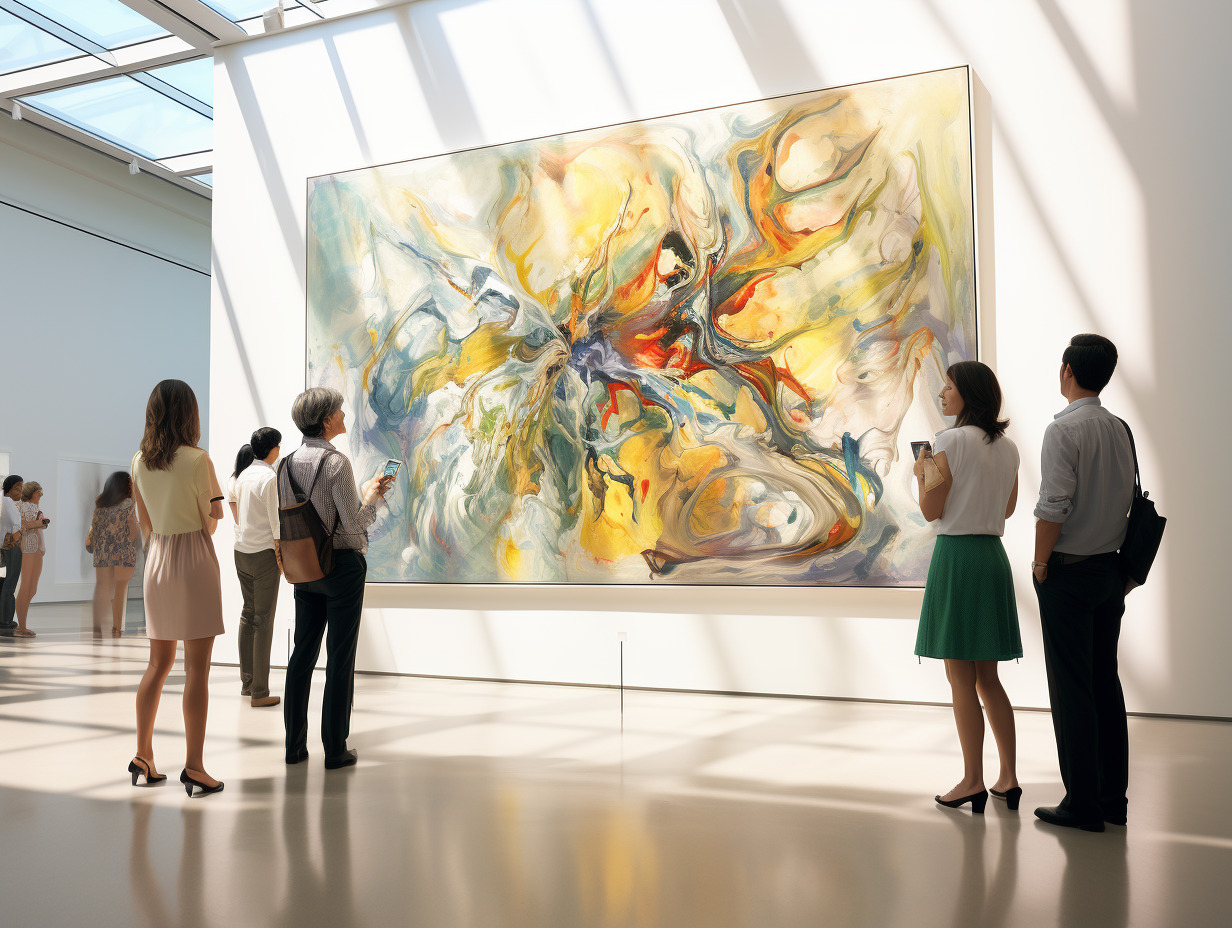
Technological Innovations and Their Influence on the Creation and Dissemination of Contemporary Art
Technological innovations are disrupting the creation and dissemination of contemporary art, opening up previously unimaginable horizons. Digital culture infiltrates creative processes, providing artists with tools that dematerialize, augment, and virtualize their work. Metropolises such as New York, London, or Bordeaux are witnessing the emergence of works where technology is not only a medium but an intrinsic component of artistic expression. Cultural practices are reinventing themselves in this digital age, transforming cultural industries and live performances.
The dissemination of art is not exempt from this metamorphosis. Virtual galleries and online exhibitions proliferate, ensuring democratized access to works. This transposition from real to virtual revolutionizes the relationship with artworks, allowing for an unprecedented circulation of artistic creations. Like the initiatives of museums such as the Musée Soulages, which involves schoolchildren from Rodez in the museum’s installation, the educational sphere also benefits from these advancements, expanding the possibilities of art education through innovative projects.
Within administrative entities, the Regional Directorate of Cultural Affairs (DRAC) Midi-Pyrénées is actively engaged in integrating new technologies. In partnership with institutions such as the Musée Soulages, these organizations shape the framework in which art and technology coexist and enrich each other. Access to contemporary artistic creation is thus rethought, eliminating many geographical and social barriers.
The leaders of these changes, such as Pierre Esplugas-Labatut, president of the Abattoirs – Frac Midi-Pyrénées, and Annabelle Ténèze, director of the same Abattoirs, play a key role in adapting cultural structures to digital realities. In this context, social sciences scrutinize the repercussions of such evolutions on cultural practices, focusing on how the public appropriates these new forms of artistic mediation.