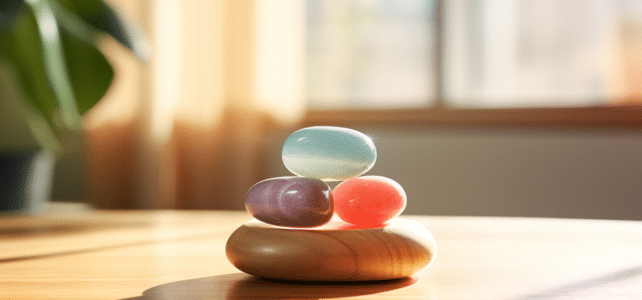
Tinnitus, this auditory sensation of buzzing or hissing in the absence of external stimuli, affects many people around the world. While medical treatments and sound therapies remain the most common approaches to alleviate these symptoms, some are exploring alternative methods such as the use of natural stones. From ancient traditions to contemporary wellness practices, the application of certain stones, such as rose quartz or black tourmaline, is considered for their supposed harmonizing and soothing properties. This practice, although still marginal, raises curiosity about its actual effectiveness in relieving tinnitus.
Understanding Tinnitus and Its Impact on Quality of Life
Tinnitus, characterized by buzzing or hissing perceived without an external sound source, represents a complex condition significantly impacting patients’ lives. In France, over 6 million individuals face these symptoms that are audible only to themselves. These manifestations can range from mild discomfort to a genuine intrusion into daily life, leading to considerable repercussions on quality of life. Indeed, beyond the hearing loss that may accompany them, tinnitus is often associated with other disorders such as stress, depression, or difficulties in concentration, thus altering the well-being and balance of affected individuals.
You may also like : The secrets to a delicious cup of coffee with your Tassimo machine
While tinnitus can result from a dysfunction of the auditory system, manifesting its presence through pulsations, rustlings, or clicks, it is also likely to cause physical symptoms such as nausea, drowsiness, dizziness, or a feeling of a blocked ear. Auditory health thus becomes a major issue in the search for solutions capable of alleviating these multiple and complex symptoms. In this context, the idea of a natural remedy to alleviate tinnitus emerges, offering an alternative perspective for patients seeking less conventional or complementary solutions to established medical treatments.
In the face of these issues, the affected population explores various avenues, including traditional medicine, hearing aids, but also more holistic methods, such as lithotherapy. The latter, although controversial in the medical field, is generating growing interest among some patients, willing to test the effectiveness of natural stones on their symptoms. Stones such as onyx, amethyst, or lapis lazuli are cited for their potential virtues on the balance of the inner ear and the reduction of symptoms associated with tinnitus.
Related reading : The Luxurious World of Luxury Cruises
Natural Stones and Their Potential Role in Alleviating Tinnitus
At the heart of the alternative approach, the natural stones selected in lithotherapy practices capture the attention of patients affected by tinnitus. Crystals such as onyx, pietersite, amethyst, rutile quartz, and lapis lazuli are invoked for their purported beneficial effects on auditory health. These minerals, with ancestral virtues, are credited with the ability to stabilize the inner ear, relieve hyperacusis, and even soothe issues associated with hearing loss.
Onyx, for example, is reputed for its ability to prevent dizziness and alleviate buzzing, two symptoms frequently linked to tinnitus. Pietersite, on the other hand, is said to positively affect auditory function and relieve hyperacusis, this heightened sensitivity to surrounding noises. Amethyst, the stone of serenity, is believed to be effective in activating restorative sleep function, essential for patients experiencing difficulties related to tinnitus.
Rutile quartz, valued for its properties on ENT function, is particularly suggested for individuals suffering from presbycusis and those who have experienced ear trauma. Lapis lazuli, the stone of communication, is thought to combat hearing loss and reduce paroxysmal dizziness, thus enriching the range of possible treatments for tinnitus. These minerals, integrated into lithotherapy protocols, offer a complementary pathway to preventive measures and conventional solutions such as stress reduction, addressing underlying pathologies, using hearing aids, acupuncture, or even the intake of melatonin and zinc.
Consider this approach as a quest for well-being where traditional medicine meets alternative practices. Integrating natural stones into a tinnitus alleviation protocol involves an open mind and a willingness to engage in a personal exploration of healing potentials. Patients, guided by curiosity and the search for relief, experiment with lithotherapy alongside medical treatments, hoping to find in the earth what science still struggles to offer them: a lasting alleviation of the symptoms that disrupt their daily lives.