
Jafaden is the fruit juice brand sold under the Leclerc banner, as part of its private label Marque Repère. Behind the familiar label found in fresh and ambient aisles, the question of the actual origin of the fruits used regularly fuels online discussions. What do we concretely know about the supply chain, industrial positioning, and labeling strategy of this range?
Jafaden in the Marque Repère range: positioning and product segments

Jafaden is not an independent brand. It constitutes the “pure juice” pillar of the Leclerc private label, integrated into the Marque Repère portfolio since the late 1990s. This affiliation with a private label means that Leclerc defines the specifications, negotiates supplies, and chooses suppliers, without the consumer necessarily having access to the name of the bottler.
The range covers several segments: pure orange juice, multi-fruit, apple juice, nectars. The product sheets available in the Leclerc catalog highlight mentions such as “no added sugar” and “pure juice,” which fall under European regulations on fruit juices. An in-depth article details the origin of Jafaden juices and their provenance by tracing the various hypotheses about the growing areas.
| Segment | Label mention | Price positioning |
|---|---|---|
| Pure orange juice | “Pure juice”, “no added sugar” | Entry-level private label |
| Pure multi-fruit juice | “Pure juice”, origin varies by batch | Entry-level private label |
| Nectar | “Nectar”, fruit content indicated | Lower price than pure juice |
The distinction between pure juice and nectar is regulatory: pure juice comes directly from pressing without the addition of water or sugar, while a nectar allows for dilution and the addition of sweeteners. Jafaden primarily positions itself in the pure juice segment, which implies stricter fruit sourcing constraints.
Origin of Jafaden fruits: what the labels and controversies say
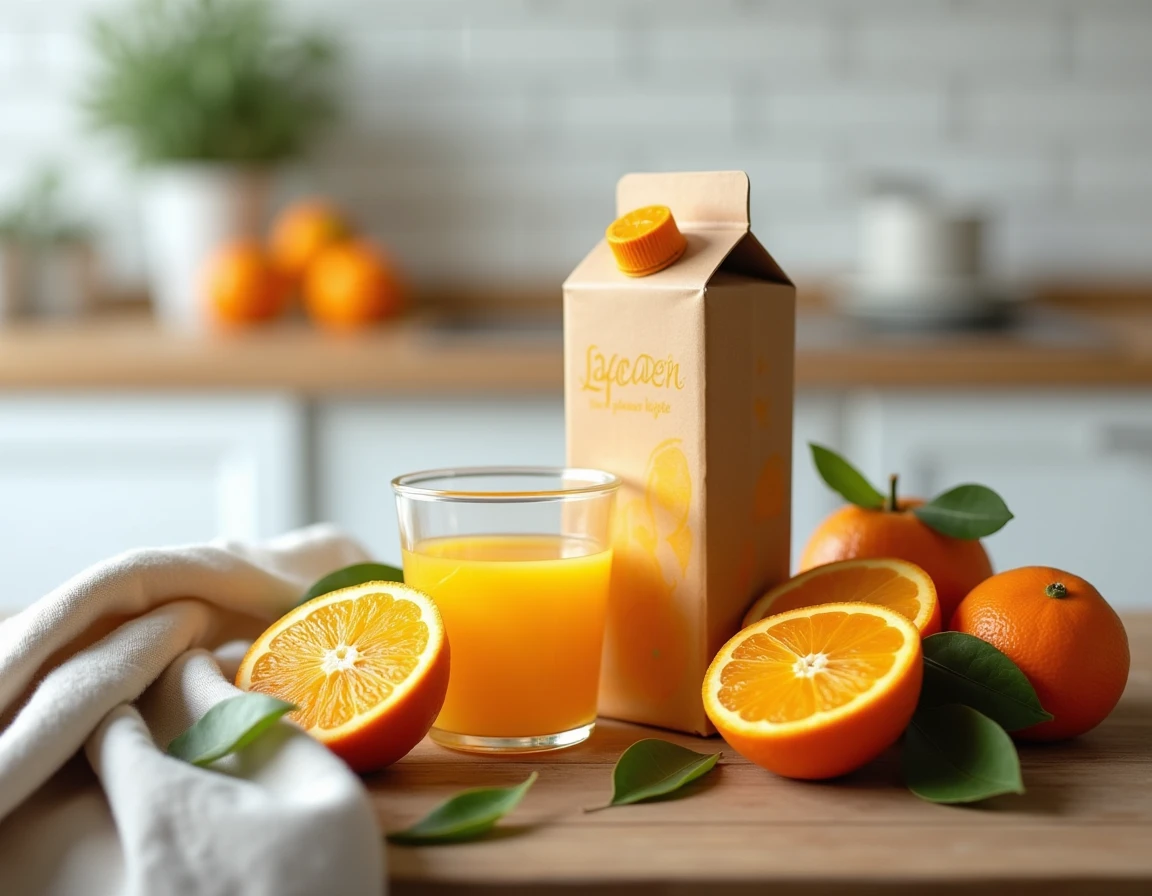
The most visible controversy surrounding Jafaden concerns the geographical origin of the citrus fruits. Several activist publications, particularly on social media, claim that the fruits come from the Jordan Valley, in occupied Palestinian territories. This accusation has fueled calls for a boycott since 2021.
In contrast, the labels of Jafaden products do not systematically mention a single country of origin. European regulations only require the indication of the country of origin for fruit juices in certain cases, and private labels often exploit this margin. The indicated origin can vary from batch to batch, making any categorical claim about exclusive provenance difficult to substantiate.
The gap between activist accusations and the logistical reality of a large distribution private label deserves to be highlighted. A brand like Jafaden, distributed nationally in several hundred Leclerc stores, likely sources from multiple production areas. Claiming that all the fruits come from a single geographical area is more of a shortcut than a documented analysis.
Transparency strategy through labeling rather than communication
In response to the controversies, Jafaden and Leclerc have not adopted a frontal communication strategy. No public statement or press release has been identified in the available sources. The response seems to go through another channel: transparency on the label itself.
Recent product sheets emphasize three elements:
- The mention “pure juice” in accordance with European directives, guaranteeing the absence of reconstitution from concentrate
- The indication “no added sugar,” which corresponds to a strong market trend in non-alcoholic beverages towards naturalness
- The origin of the fruits when indicated, usually on the back of the packaging in smaller print
This approach reflects a marketing evolution observable across the entire private label juice segment. The emphasis on naturalness is gradually replacing the discourse on the geopolitical origin of the fruits. Private labels prefer to highlight the process (direct pressing, absence of additives) rather than commit to fine geographical traceability that would expose them to criticism.
Distribution circuit and management of end-of-line products at discount stores
One aspect rarely addressed concerns the second life of Jafaden products outside the Leclerc network. Arrivals of pure Jafaden juice have been reported in NOZ stores, a chain specialized in the clearance of end-of-line products, overstock, or packaging changes.
This phenomenon reveals a classic but poorly documented industrial operation for private label fruit juices:
- Changes in packaging or recipe generate batches of the old version that can no longer be sold under the updated label
- The volumes ordered by Leclerc sometimes exceed actual demand, creating overstock that finds an outlet with discount stores
- The presence in NOZ indicates active management of overproductions, not a defect in product quality
This parallel circuit shows that the life of a Jafaden juice is not limited to the Leclerc shelves. For the attentive consumer, the NOZ batches carry the same regulatory mentions and sometimes allow for the identification of different fruit origins depending on production periods.
Label reading: what to check
On a Jafaden pack, the mention “pure juice” on the front guarantees a non-reconstituted product. The country of origin of the fruits, when it appears, is generally found on the back, near the barcode. The expiration date and batch number allow for cross-referencing information in case of doubt about the origin.
The question of the actual origin of Jafaden juices does not have a single answer. The sourcing model of a national private label relies on the flexibility of sources, and the label remains the only verifiable document for the consumer. Those seeking complete traceability will need to turn to brands committed to single-origin sourcing, generally sold at a significantly higher price.