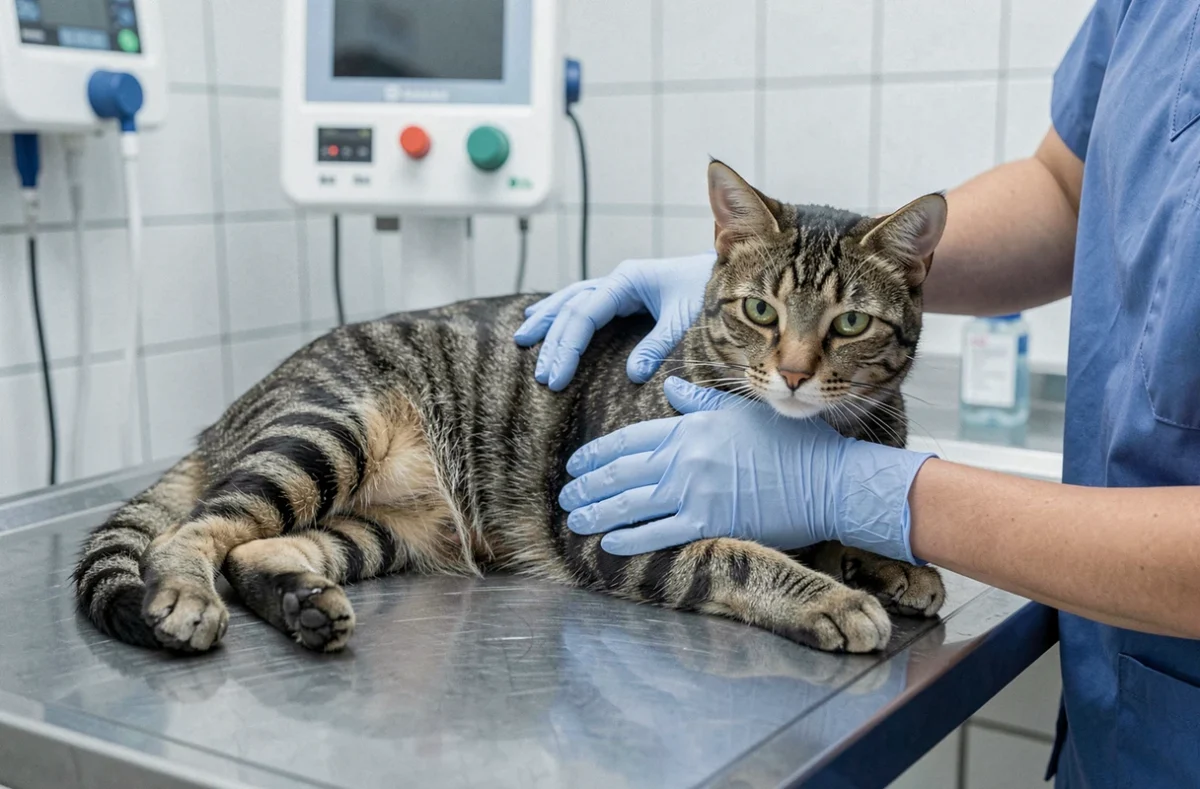
When receiving the veterinarian’s estimate for sterilizing their cat, the amount often comes as a surprise. Sterilization of a cat is not just a surgical procedure lasting a few minutes: it is a complete medical act, with several expense items that the final bill aggregates without always detailing them.
What the cat sterilization estimate really includes
One might imagine a quick incision, a suture, and that’s it. The reality of a veterinary clinic is more involved. The price covers a chain of care that begins well before the incision and continues after the animal wakes up.
An estimate for sterilization generally includes:
- The preoperative consultation, where the veterinarian assesses the cat’s health, checks for contraindications, and sometimes prescribes a blood test
- General anesthesia, which requires a protocol tailored to the animal’s weight and age, with monitoring throughout the procedure
- The surgical act itself (ovariectomy or castration), performed in an aseptic standard operating room
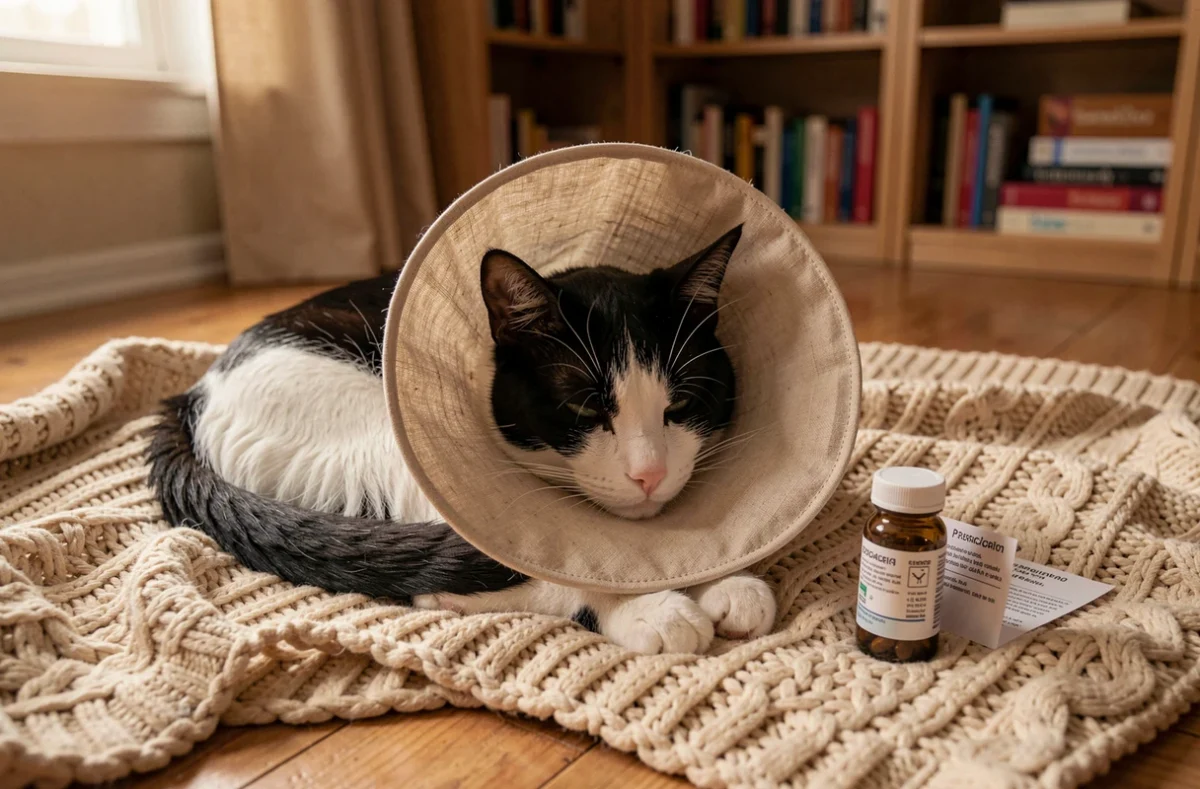
- Pain relief and anti-inflammatory medications administered postoperatively
- Monitoring during recovery, which can last several hours depending on the animal’s reaction to anesthesia
The price compensates for a complete medical act, not just a simple operation. When you add up the time of the nursing staff, the sterile single-use materials, the anesthetic products, and the painkillers, the amount becomes clearer.
For a female cat, the procedure is more invasive than for a male: ovariectomy involves an abdominal incision, which increases the duration of the surgery and the level of monitoring. This is why the bill for a female exceeds that of a male, sometimes significantly. You can understand everything about X Anima regarding the specific reasons for these differences between males and females.

Veterinary fees: why prices vary so much from one practice to another
Veterinary fees are set freely by each practitioner. Article R. 242-49 of the Rural Code simply requires the veterinarian to inform the client of the price or its calculation method and to display their rates. No national scale regulates the amount.
In practice, the discrepancies between practices can be quite significant for the same procedure. Several factors influence a clinic’s pricing structure.
Geographical location and fixed costs
A practice in the city center bears higher rent, overhead, and salaries than a rural facility. These fixed costs are reflected in each billed act. The price of sterilizing a cat in a large urban area will therefore generally be higher than that practiced in less dense areas.
Level of equipment and anesthetic protocol
Some clinics invest in advanced monitoring equipment (oximetry, capnography), use state-of-the-art anesthetics, or systematically include a preoperative blood test. Others operate with a more standard protocol. Both approaches are legitimate, but the first is more expensive.
Comparing two or three estimates remains relevant, provided you check that the same elements are included. A low estimate that excludes pain relief or postoperative monitoring is not comparable to a higher estimate that includes everything.
Financial assistance and programs to reduce the cost of sterilization
The price of sterilization deters some cat owners, especially in low-income households. Several options exist to lighten the bill, but they remain poorly known.
Municipal sterilization campaigns
Some municipalities and inter-municipalities fund sterilization campaigns, most often targeted at stray cats. Some communities extend these programs to owners meeting certain income conditions. Inquire at your town hall or CCAS: these aids are almost never reported on generalist websites.
The “Veterinarians for All” network
This program allows eligible owners to access veterinary care at reduced rates based on income. The cost is shared between the beneficiary, the association, and the participating veterinarian. Sterilization is one of the eligible procedures.
Pet insurance: limited coverage for sterilization
Insurances often exclude sterilization as a convenience procedure. When covered, it is through an annual preventive package with a cap, which also covers vaccinations and antiparasitics. This package rarely absorbs the entire cost of the procedure.
Before taking out insurance for their pet in hopes of covering this procedure, one should verify the exact amount of the preventive package and the terms of use.
Early sterilization of the cat: a long-term financial calculation
Delaying sterilization for cost reasons often leads to spending more later. In females, the lack of sterilization is correlated with a high risk of mammary tumors or uterine infections, two conditions whose treatment costs much more than the preventive operation.
In unneutered males, roaming, fighting, and urine marking generate recurring veterinary expenses (abscesses, injuries, antibiotic treatments). Early sterilization avoids much more expensive care over the animal’s lifetime.
From a collective standpoint, sterilization also limits the proliferation of stray cats. The Ministry of Agriculture reminds us that in four years, a pair of cats can give birth to over 20,000 kittens. Shelters, already overwhelmed, take in thousands of abandoned kittens each year due to a lack of prior sterilization.
The cost of sterilizing a cat reflects the complexity of a complete medical act, the pricing freedom of veterinarians, and the level of equipment in each clinic. Comparing estimates, checking local aids, and considering the overall cost over the animal’s lifetime remains the most effective approach to managing this expense without compromising the health of one’s cat.