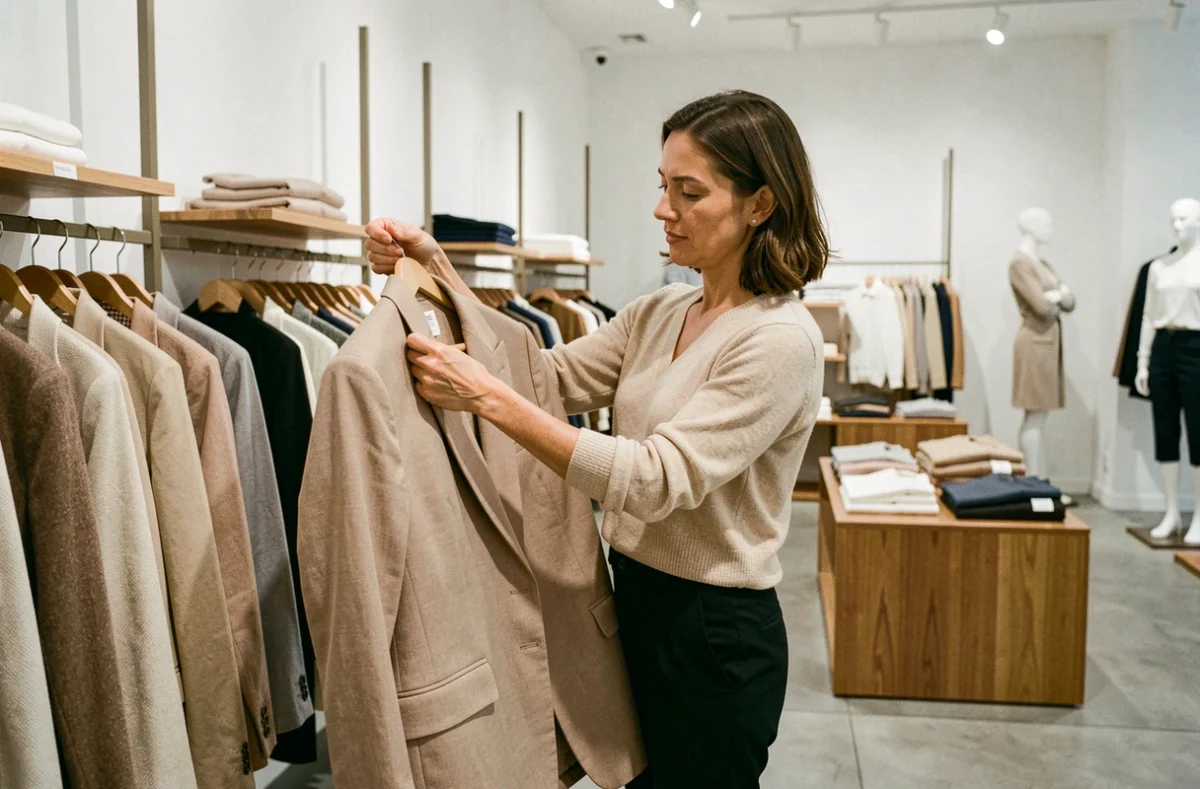
Zara, a subsidiary of the Inditex group, holds a dominant position in the European fast fashion market. The Spanish brand bases its model on very frequent collection renewals and a vertical integration of its production chain. Understanding who the real competition is requires going beyond a simple list of names to examine business models, recent regulatory constraints, and ongoing repositioning.
Integrated production model vs. factory-less platforms: two opposing logics
What sets Zara apart from most of its rivals is its supply chain. Inditex controls a significant portion of its manufacturing in-house or through nearby workshops (Portugal, Morocco, Turkey). The cycle from the design of a garment to its arrival in stores can be counted in weeks.
Shein operates in the opposite manner. The Chinese platform does not own factories: it relies on a network of thousands of independent suppliers, primarily in Guangdong. This model allows it to launch several thousand new items online each day, a volume that no integrated brand can match. Shein bets on volume and algorithms, while Zara focuses on rapid in-store turnover.
H&M is positioned between the two. The Swedish group outsources its production but maintains regional buying offices and attempts to shorten its lead times. Uniqlo, on the other hand, invests in textile technology (temperature-regulating fabrics, recycled fibers) rather than in speed of renewal. These four players share a common market, but with very different value creation mechanics.
To better situate Zara’s competitors in this landscape, it is also necessary to consider generalist marketplaces like Amazon or AliExpress, which put clothing in direct competition with a much broader offer, driven by third-party sellers and very low prices.
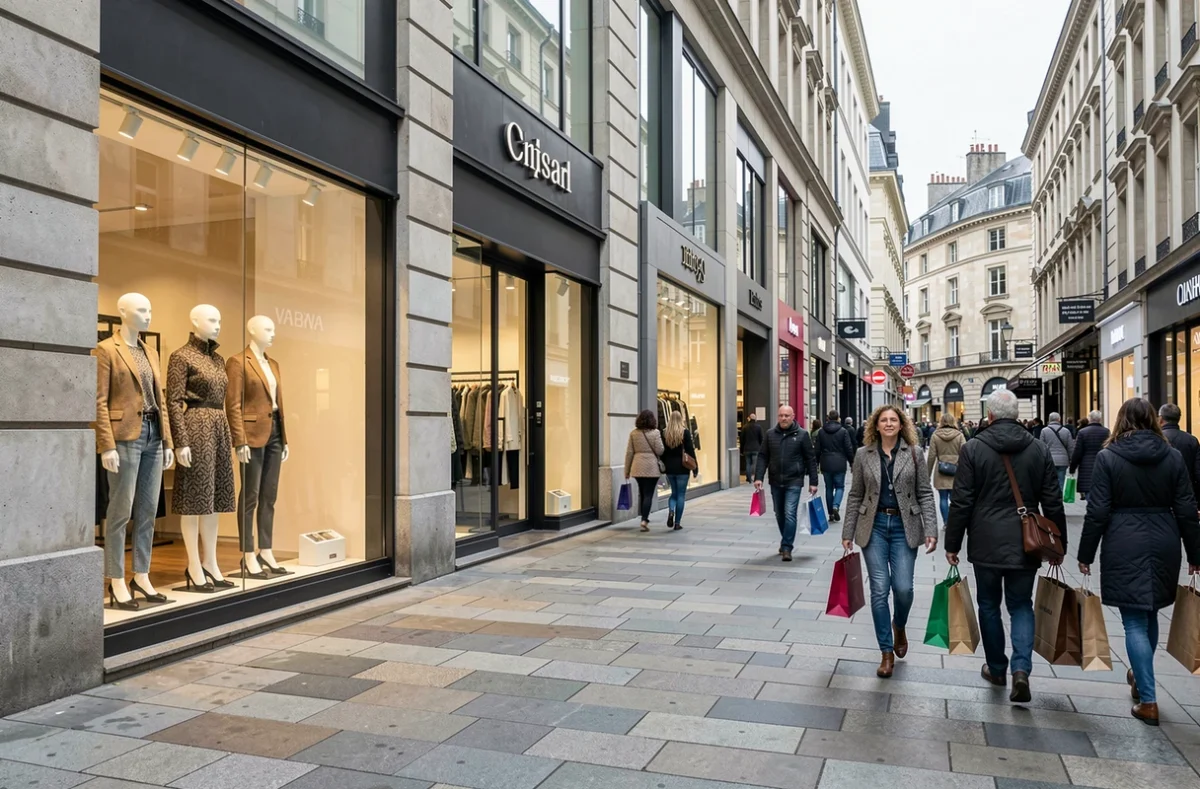
European fashion regulation: a terrain that redefines competition
The European regulatory framework is gradually changing the competitive conditions in the textile industry. Two developments deserve particular attention.
The European regulation on ecodesign requires brands to document their products and supply chains. Ultimately, every garment sold in Europe will need to be accompanied by a digital product passport. For a brand like Zara, which controls part of its production, this traceability represents an investment but not a structural obstacle. For Shein, whose chain relies on thousands of micro-suppliers, compliance is expected to be much heavier.
The ban on destroying unsold clothing and shoes for large companies will gradually come into effect starting July 19, 2026, in the European Union. This measure benefits brands that can finely manage their stocks (Zara, Uniqlo) and penalizes those that produce in bulk without local adjustments.
Shein is also now subject to the European regime for very large platforms. This qualification imposes enhanced obligations regarding transparency of recommendations and management of systemic risks. What was once a competitive advantage (algorithmic virality) is now also a regulatory burden.
Price positioning and target: Primark, Mango, and the mid-range segment
Not all of Zara’s competitors operate in the same price range. Three segments can be distinguished:
- The ultra-accessible segment, occupied by Primark and Kiabi, which offer very low prices with a physical model (no e-commerce for Primark in France). Their advantage lies in volume in-store and reduced marketing costs.
- The mid-range segment, where Zara positions itself alongside H&M and Mango. Mango focuses on a more refined image, with tailored cuts and a slightly higher positioning than Zara in certain ranges. Mango targets affordable chic without entering the volume race.
- The “premium basics” segment, represented by Uniqlo. The Japanese brand does not seek to follow micro-trends. It invests in the durability of materials and functionality, which gives it a loyal customer base less sensitive to fashion effects.

Shein and Temu facing Zara: the French regulatory pressure
France has taken specific measures against ultra fast fashion. The French legislator has adopted a system aimed at applying an environmental penalty on very low-cost textile products, directly targeting platforms like Shein and Temu. The stated goal: to increase the cost of these imports to rebalance competition with brands that produce or source more locally.
This measure does not eliminate Shein’s price advantage, but it reduces its impact on the French market. For Zara, this evolution creates a favorable context: the brand can maintain its current prices while seeing its most aggressive price competitors bear additional costs.
Temu, whose growth in France has been rapid in recent years, faces the same constraints. The Chinese platform operates as a generalist marketplace and does not control the quality or traceability of the clothing sold by its third-party merchants. The marketplace model complicates regulatory compliance.
Lefties and Massimo Dutti: internal competition within the Inditex group
One often-overlooked aspect: Zara is also competing with other brands within its own group. Inditex owns Bershka (targeted at teenagers), Pull&Bear, Massimo Dutti (premium positioning), and Lefties, the group’s discount brand launched to capture the most price-sensitive segment.
Lefties offers prices comparable to Primark while benefiting from Inditex’s logistics and expertise. This brand allows the group to cover a wide price spectrum without diluting Zara’s image. Massimo Dutti, at the other end, attracts customers willing to pay more for superior materials and finishes.
This multi-brand strategy gives Inditex a structural advantage: the group is not only competing with Zara but with a complete portfolio that covers discount to accessible quasi-luxury.
The battle around Zara is no longer just a question of style or speed. The new European rules on ecodesign, the destruction of unsold goods, and the status of large platforms are reshaping the landscape. Brands that master their production chain and product documentation have an advantage that price alone can no longer compensate for.