In a world where stress and turmoil reign supreme, the ancient Chinese philosophy of Feng Shui emerges as a breath of fresh air for those seeking to establish balance and serenity in their homes. This millennia-old practice, focused on harmonizing environmental energies, invites deep reflection on the arrangement of our living space. By emphasizing furniture placement, color choices, and the flow of energy, Feng Shui offers subtle yet powerful adjustments to transform our homes into havens of peace and enhance our daily well-being.
The Foundations of Feng Shui: History and Key Principles
Feng Shui, this ancestral art of living in China, continues to infuse its wisdom into the modernity of our interiors. Far from being a mere Déco en Vogue, it is a practice aimed at harmonizing environmental energy, or Chi, to optimize the well-being and prosperity of its inhabitants. The vital energy that governs both the universe and the home becomes the central pivot around which all Feng Shui principles revolve.
The duality of Yin and Yang represents the notions of complementarity and balance, fundamental in this art. It is expressed through every object, color, and shape present in our environment. The five elements Water, Earth, Fire, Metal, and Wood are natural components that Feng Shui seeks to balance meticulously within the home, creating a harmonious and beneficial resonance for its occupants. Consider these elements for a conscious and thoughtful arrangement of your space.
As for the Pa Kua, it represents the eight aspects of life that are taken into account in Feng Shui layout: career, knowledge, family, prosperity, fame, partnership, children, and mentors. Each sector of your home is thus associated with a component of your life, and the Pa Kua guides its optimization. Based on Taoist philosophy, Feng Shui proposes a holistic vision where the habitat becomes a reflection of the individual’s inner balance. Consider these principles for a home that is not just a living space, but a source of vitality and fulfillment.
Applying Feng Shui at Home: Practical Tips for Every Room
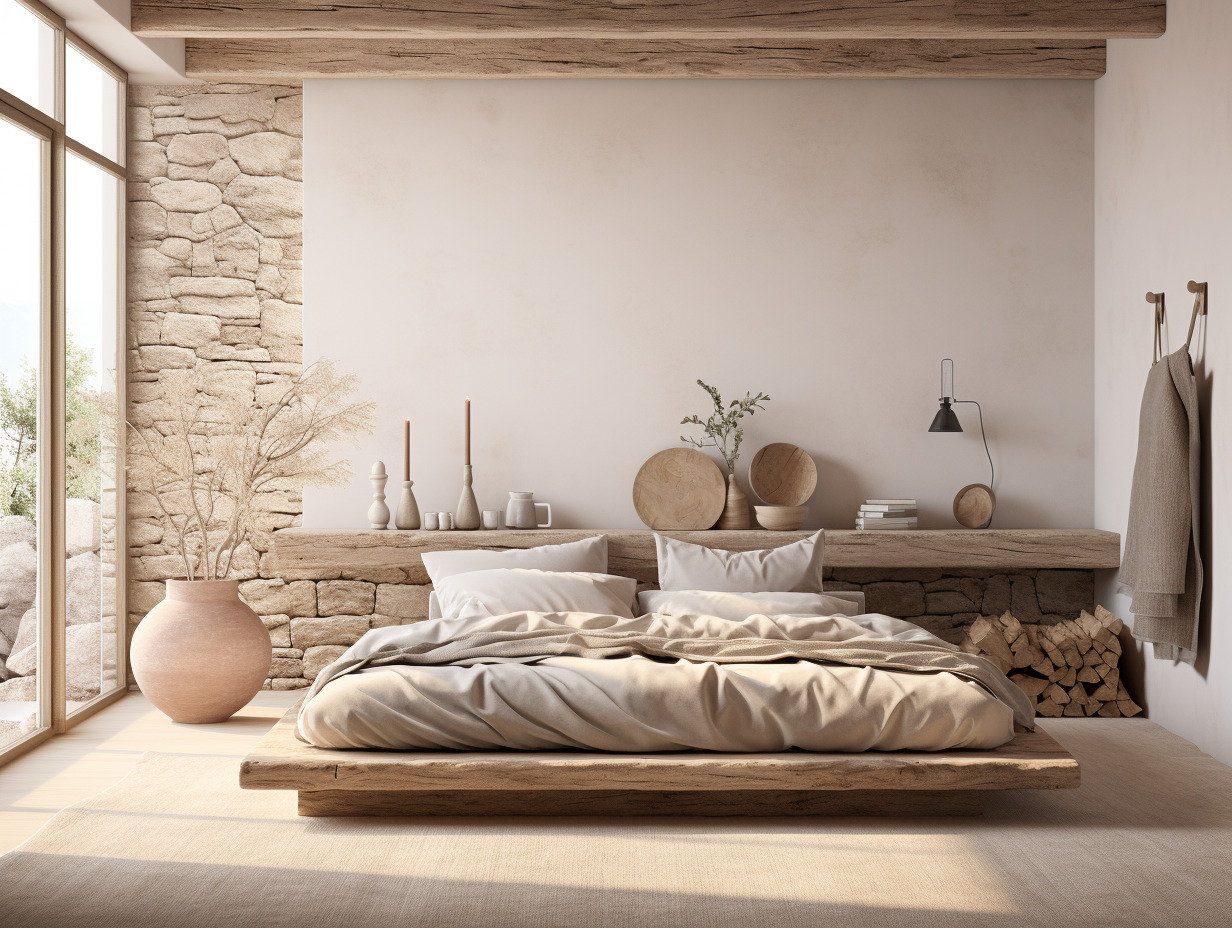
Feng Shui applies to every nook of your home, transforming your space into a haven of peace and vitality. In the bedroom, prioritize a bed placement that allows you to see the door while being as far away from it as possible, without being directly in line with it. This strategic position is known to promote restorative sleep and a sense of security. Soft colors and rounded shapes will be your allies in the quest for a serene atmosphere conducive to rest and relaxation.
The bathroom, often overlooked, holds significant importance in the Feng Shui of your home. It is associated with the Water element and therefore requires special attention to avoid the leakage of positive energy. Close the toilet lid and keep the bathroom door shut when not in use. Use colors that evoke purity and freshness, such as white or pastel tones, to enhance the feeling of cleanliness and renewal.
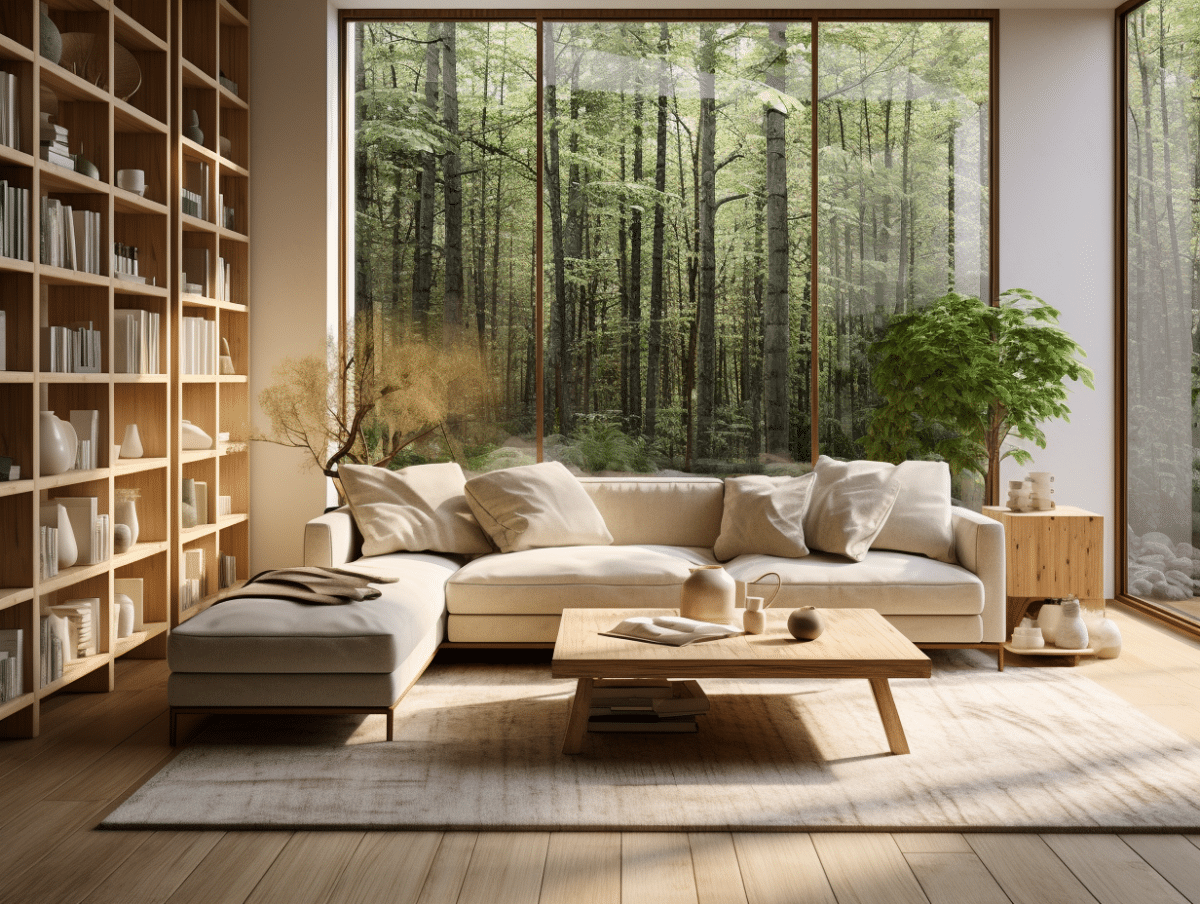
The company Maison des Compagnons, specialized in Feng Shui-related services, recommends considering your interior as an interconnected whole where each room communicates and contributes to the overall harmony. The layout of the living room should promote the smooth flow of Chi, with furniture arranged in a way that does not obstruct passage and plants to accentuate the presence of life. Decorative elements and artworks should be chosen carefully to reflect the aspirations and identity of the occupants, thus reinforcing the alignment of the space with the principles of Pa Kua and the Yin and Yang balance.