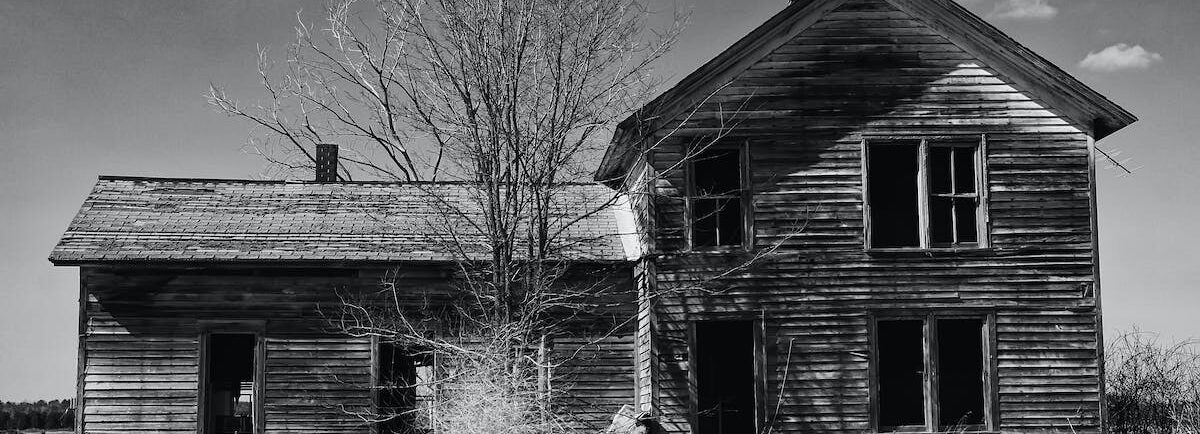
Digging into the history of a property can often feel like a treasure hunt. Why? Because every building has a story to tell, hidden within its walls and ground. However, it can be challenging to find accurate information, especially when it comes to tracing former owners. Whether you are motivated by curiosity, legal necessity, or simply the desire to understand the history of your home, know that there are ways to uncover these mysteries. Whether online, in local archives, or through word of mouth, the history of your house is ready to be discovered.
Dive into the history of a house
Discovering the history of a house can be an exciting quest. But to start this investigation, one often wonders ‘how to find the owner of a house?’. There are several methods that can help you succeed in your search.
The first step is to explore the public archives. These are generally managed by the town hall or county council and contain documents such as historical land registers, current property titles, and other useful information that may indicate the name of past owners of a given residence.
You can consult certain dedicated online sites that offer access to cadastral data. These platforms are very useful, especially if you do not live in the same city as the residence you are researching.
Local libraries are also a valuable resource, as they often have specific local collections containing oral histories, old photographs, and many other references related to the local real estate past.
Consulting a real estate lawyer may also be necessary, especially if your efforts with official bodies are unsuccessful. Notaries also have access to databases that allow them to easily trace the history of a property as long as they have some key information, such as the exact address of the residence.
If all of this does not yield satisfactory results or seems too complicated, it is always possible to hire a private investigator specialized in this type of research.
So, if you are wondering ‘how to find the owner of a house’, there are many solutions to answer this question. Whether through examining public archives, consulting dedicated online sites, or seeking help from a specialized professional, discovering the historical past of a house is always possible and often fascinating. So do not hesitate to use these resources to make the walls of your home speak.

Dive into municipal archives
Another effective method for finding the former owners of a house is to explore the municipal archives. These treasures are filled with valuable documents and information about local history, including property ownership.
To start, make sure to visit the town hall or the Departmental Archives in your area. The experienced archivists who work there will be able to guide you to the relevant registers and documents for your research. You can also check the municipality’s website, where some information is often available online.
One of the first elements to examine in the municipal archives is the cadastre. This official document lists all the parcels and buildings in a given locality. It provides detailed information about each property, including the name of the current owner as well as those of previous occupants.
Cadastral maps can be a real goldmine of information when it comes to going back in time and finding the history of a specific house. By comparing different maps from different eras, you can reconstruct the evolution of the land and possibly discover major changes such as expansions or subdivisions.
Beyond the cadastre, it may be interesting to examine other types of documents preserved in the municipal archives, such as notarial deeds or certain municipal bulletins that may have mentioned an important change regarding a particular residence.
If you do not have the time to conduct this research yourself, you can hire a professional genealogist specializing in real estate matters. These experts are accustomed to working with municipal archives and have the skills necessary to quickly trace the history of a property.
Exploring the municipal archives can be extremely helpful when it comes to tracing the history of the former owners of a house. By carefully examining the cadastral registers, maps, and other available historical documents, you can uncover a wealth of information about your home and thus dive into its fascinating past. Do not hesitate to seek help from archivists or professionals in the field if needed, to conduct your research with precision and efficiency.
Dive into land registers
Another essential method for tracing the former owners of a house is to consult the land registers. These official documents, maintained by the land publicity service, provide a true wealth of information about the history and transactions related to a property.
Consulting the land registers can be done by going directly to the office of the land publicity service responsible for the location of the property in question. It is also possible to access this information online via the website of the Land Publicity Service (SPF), which provides a platform for users to consult certain real estate assets.
The land registers contain various important information such as: the identity of successive owners, acquisition or transfer dates, transaction amounts, as well as any information related to mortgages or easements affecting the property. These elements can be particularly useful in the context of a comprehensive search for the history of a real estate asset.
It is important to note that not all properties are systematically listed in the land registers. Indeed, some transfers may escape this formality if they occurred before its implementation or if they still fall under a specific regime such as that applicable to unregistered rural properties.
Dive into the memories of former neighbors
Another effective method for tracing the former owners of a house is to contact former neighbors. Indeed, they may hold valuable information about the owners who lived in the neighborhood before you.
To start this process, it may be helpful to visit the old address and knock on the doors of nearby homes. If you are lucky enough to meet a former neighbor, be polite and courteous during the exchange to gain their cooperation.
Prepare the questions you want to ask. You can inquire whether the former owners were pleasant or if they had any particular issues with them. Do not hesitate to ask about the duration of their stay or if they know of other resource persons who could assist you in your research.
If your visit yields no positive results, do not lose hope! There are now several social platforms that allow users to exchange experiences about their past with their homes and their former neighbors.
You can use these specialized social networks to try to find the information you are looking for. When you post your request on these social platforms, indicating the name of the neighborhood where your house is located along with some relevant details, you increase your chances of connecting with people who may have known the former owners.
You can also use these same social networks to contact other current residents of the area and ask if they have knowledge of the former owners of your house. Neighborly solidarity can sometimes be a valuable resource in this type of research.
The process of tracing the former owners of a house may seem complex, but it is not without solutions. By combining different methods such as consulting the land registers and contacting former neighbors, you increase your chances of uncovering the history of your real estate asset. Patience and perseverance will be your best allies in this exciting quest that may also allow you to learn more about the evolution of the neighborhood where you live today.
Dive into social networks and forums
To deepen your research, you can also explore specialized forums dedicated to real estate and house stories. These forums often teem with passionate members who are ready to share their knowledge and experiences.
By joining these online communities, you have the opportunity to post messages outlining your situation and asking for advice on finding former owners. Forum members may be able to provide additional information or even recall an old real estate listing concerning your house.
When sharing your request on these virtual platforms, be precise in your descriptions. Indicate the name of the neighborhood where your house is located as well as all relevant details such as the approximate year of acquisition or any other related information. The more specific you are, the greater your chances of sparking interest and assistance from other users.
Social networks can also play a crucial role in this quest to find the former owners of a house.
Dive into the services of a professional genealogist
If despite all your research, you are unable to obtain the desired information about the former owners of your house, it may be wise to hire a professional genealogist. These experts specialize in researching and analyzing family trees.
A professional genealogist possesses the skills necessary to conduct thorough investigations and trace the history of a family. With their knowledge of local history, archives, and various documentary sources, they can explore avenues you may not have considered.
Hiring a professional genealogist has several advantages. They often have privileged access to exclusive databases or those that are difficult for the general public to access.